
Table of Contents
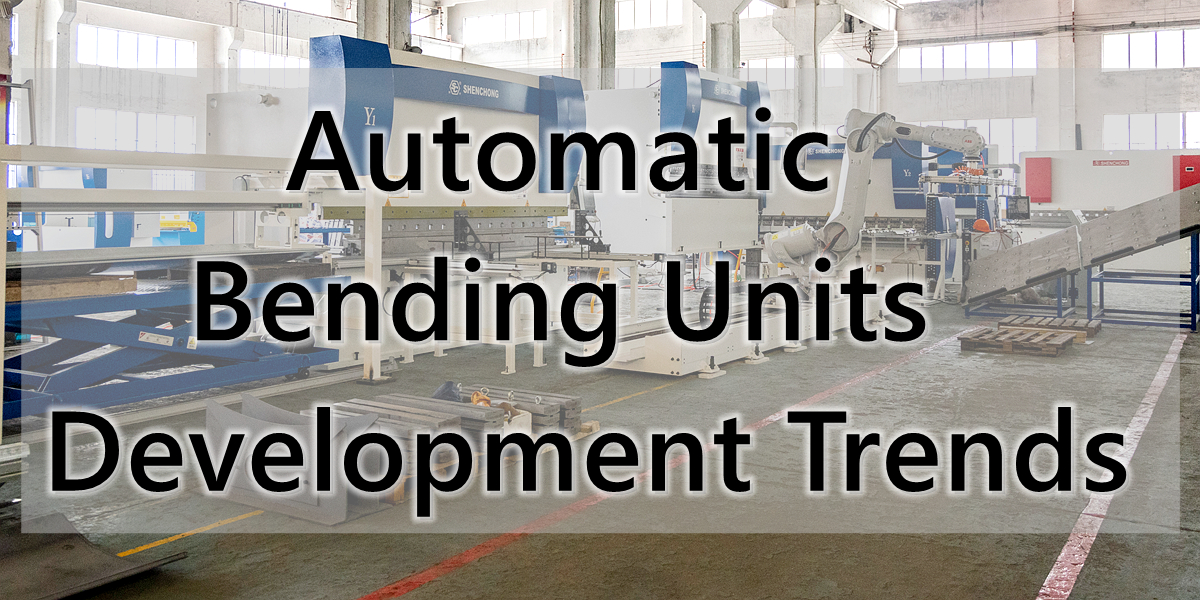
The future of automatic bending units (robots + CNC press brake bending machines + loading/unloading + software systems) is not just about “automation”, but a comprehensive upgrade towards intelligence, flexibility, unmanned operation, and platformization. Automated bending units are evolving from “single-machine automation” to “intelligent, unmanned factory nodes across the entire production line.”
1. Macro Background: Automatic Bending Units Enter the Era of "System-Level Competition"
The global automated bending equipment market continues to grow, with a market size of approximately US$2.66 billion+ in 2026, and maintains stable growth. The future CAGR for electric/automated bending equipment is approximately 4-6%. The potential for automation in manufacturing is extremely high (second only to the food and beverage and hospitality industries).
Conclusion:
Bending automation has evolved from “optional upgrade” → “standard equipment on production lines” → “competition for system capabilities.”
2. Core Trend 1: From "Single-Machine Automation" to "Complete Bending Unitization"
1) Past
Single CNC bending machine + manual loading/unloading or simple robot assistance
2) Present (2026)
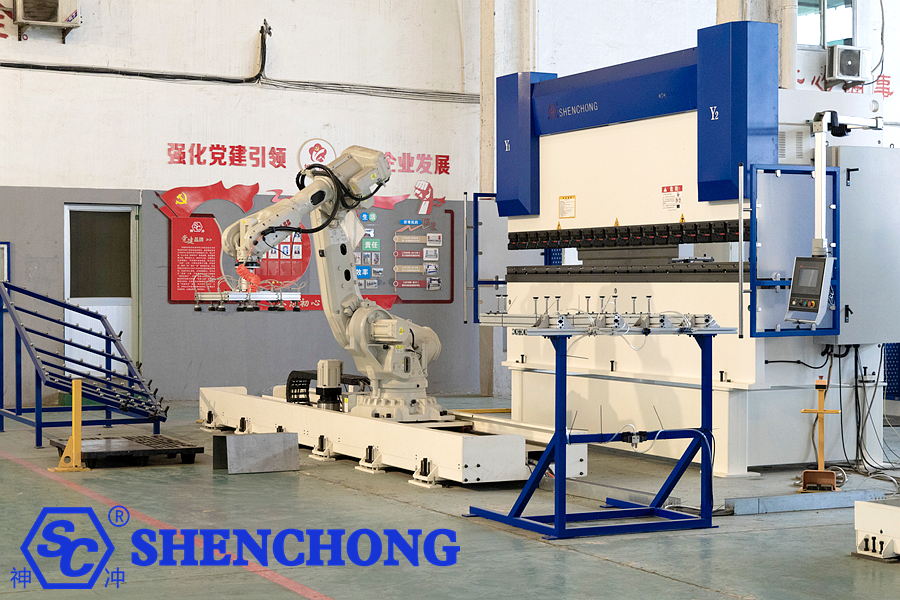
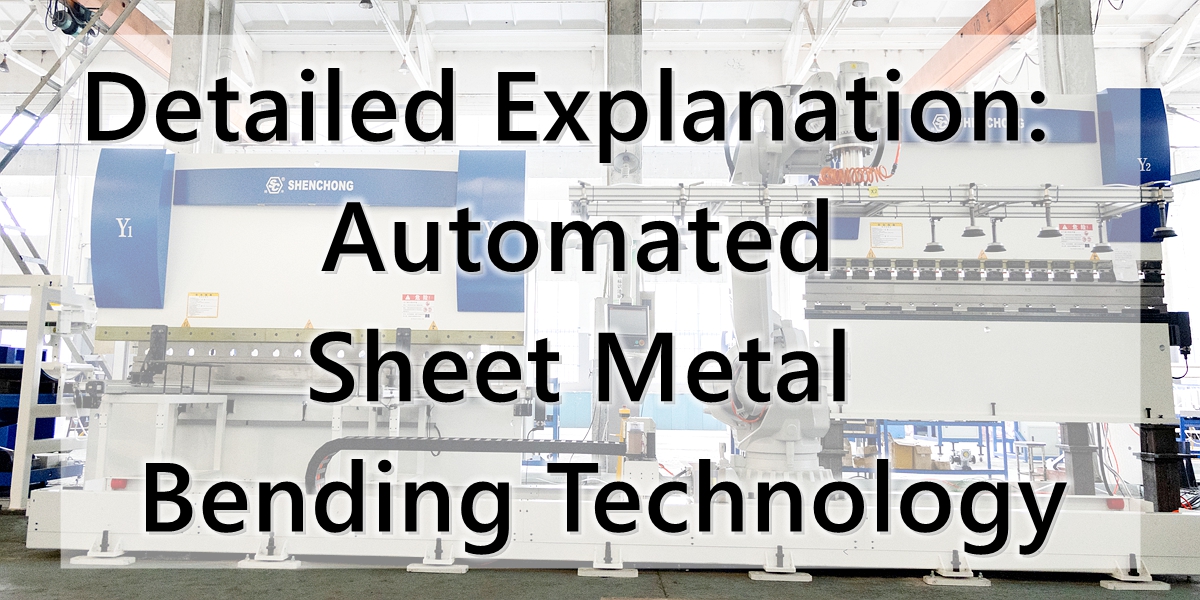
Bending machine + robot + tooling + software = standardized bending unit
Achievements:
- Automatic loading
- Automatic positioning
- Automatic flipping
- Automatic unloading
Industry Definition:
Bending robots have become a fusion of “six-axis robot + bending process system”
3) Future Trends
Unitization → Modularization → Standardized Replication
Similar Examples:
- Laser Cutting Unit
- Welding Workstation
Key Change:
Selling Equipment → Selling “Standard Process Units”
3. Core Trend 2: Flexibility Becomes the Absolute Main Theme (Flexible First)
1) The Rise of Flexible Bending Centers
- Multi-sided bending completed in a single clamping
- Automatic mold changing/mold-free trend
- Suction cup adaptive clamping
- Rapid market growth (CAGR approximately 5.7%)
3) Technological Directions
- Multi-variety, small-batch switching
- Automatic workpiece identification
- Adaptive process adjustment
2) Core Capabilities of Flexibility
- Visual recognition + AI path planning
- Adaptive fixture systems
- Automatic parameter compensation
Conclusion:
The future is not about “efficiency first,” but rather “flexibility + efficiency coexisting.”
4. Core Trend 3: AI + Data-Driven Bending (Intelligent Upgrade)
1) 3 Major Applications of AI in Bending
- Automatic Programming
- CAD → Automatically Generate Bending Programs
- Reduce Dependence on Manual Programming
- Process Optimization
Automatic Calculation:
- Springback Compensation
- Bending Sequence
- Interference Avoidance
- Self-Learning System
- Optimize Process Based on Historical Data
2) Digital Twin
- Real-time Simulation of Bending Process
- Predict Deformation and Error
- Online Path Optimization
Academic and Industrial Trends:
Digital twins are enabling real-time control and adaptive manufacturing (especially in sheet metal forming).
3) Data Closed-Loop Trend
Future System Structure:
Equipment → Sensor → Data → AI → Optimization → Equipment
Results:
From “Experience-Based Bending” → “Data-Driven Bending”
5. Core Trend 4: Lights-Out Manufacturing
1) Typical Goals
- 24-hour unmanned operation
- Automated nighttime production
- Man-free/unmanned factory
2) Achievement Conditions
- Automatic loading and unloading system
- Automatic tool/die changing
- Online quality inspection
- Self-diagnosis of faults
3) Industry Case Trends
- Automatic bending of 50+ parts already achieved and continuing to expand
- High-capacity verification: Hundreds of thousands of bending cycles
Conclusion:
“Lights-out factories” will become a standard capability for leading clients.
6. Core Trend 5: Electrification and Energy Saving (Replacing Hydraulics)
1) Reasons for the Rise of Electric Bending Machines
- Low energy consumption
- High precision
- Fast response
- Low maintenance
2) Future Structure
- Electric servo as the mainstay
- Hydraulics gradually receding into the large-tonnage market
Essential Change:
From the “Hydraulic Drive Era” → The “Full Servo Era”
7. Core Trend 6: Production Line Integration (From Unit to Whole Line)
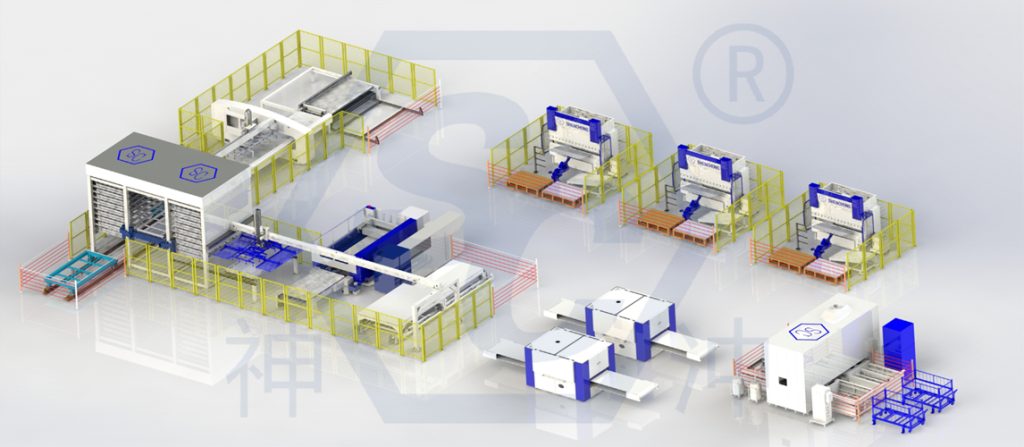
1) Bending is no longer isolated
Deep integration with the following systems:
- Laser cutting
- Automated warehousing
- Loading and unloading systems
- AGV/AMR logistics
2) Typical future production line
Material warehouse → Laser → Sorting → Bending unit → Welding → Assembly
3) Key trends
- MES/ERP integration
- Full-process visualization
- Order-driven production
Conclusion:
Competition has shifted from “equipment performance” to “production line system capabilities”.
8. Core Trend 7: Modularization and Standardization (Business Model Changes)
1) Product Form Changes
- Standardized bending unit (replicable)
- Rapid deployment (Plug & Play)
2) Business Model Upgrades
- From selling equipment → Selling solutions
- From one-time sales → Lifecycle services
3) Key Capabilities
- Process database
- Industry solution packages (racks/elevators/automotive)
9. Core Trend 8: Human-Machine Collaboration (Collaborative Bending Units)
1) Application Scenarios
- SMEs
- Varied orders
- Semi-automated production lines
2) Characteristics
- Collaborative robots (Cobots)
- High safety
- Low investment threshold
Conclusion:
Automation will be stratified: High-end unmanned + Widespread collaborative
10. Core Trend 9: Industry Differentiation and Deepening Applications
1) High-end Industries
- Automotive
- Aerospace
- Electrical Cabinets
→ High Automation, Full-Process Integration
2) Mid-range Industries
Sheet Metal Processing Plants → Flexible Unitization
3) Low-end Market
Semi-automation Upgrade
11. Summary of Key Trends from 2026 to 2030 (High-Level Perspective)
Technology Layer:
- AI-driven
- Digital Twin
- Vision + Force Control Fusion
Equipment Layer:
- Electrification
- Flexibility
- Modularization
Production Layer:
- Unmanned Operations
- Production Line Integration
- Data Closed Loop
Business Layer:
- Solution-based
- Service-based
- Platform-based
12. Conclusion
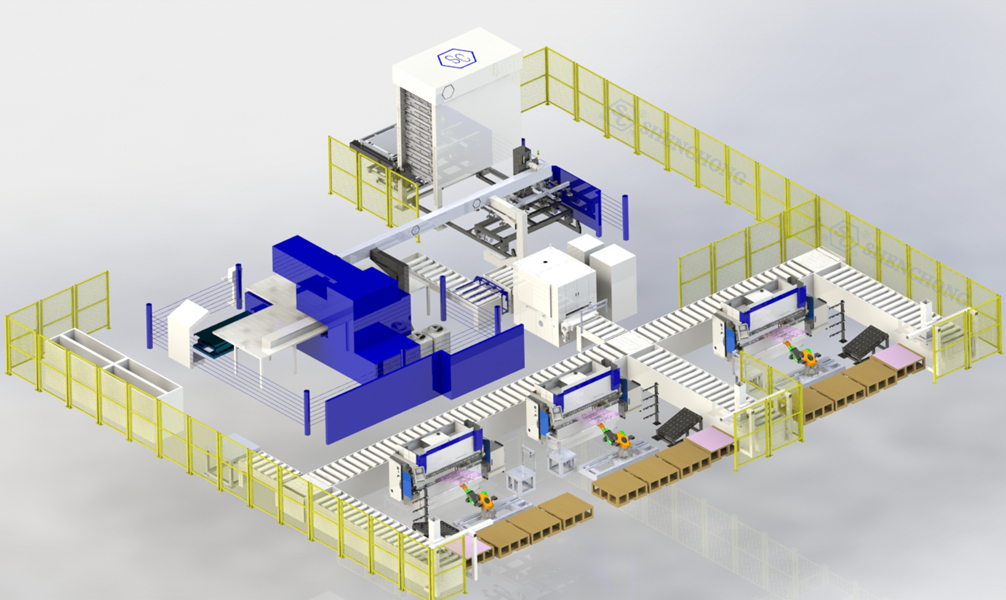
Automated bending units are evolving from individual machines into core nodes of data-driven flexible manufacturing systems.
Automated bending units are redefining sheet metal manufacturing. Through the deep integration of robots, CNC press brake machines, and intelligent software, they achieve fully automated production from material loading to finished product, improving efficiency while ensuring stability and consistency.
From “relying on human experience” to “relying on system control.”
Automated bending units bring more than just efficiency improvements. They represent a restructuring of production methods:
- Locking in production capacity: Eliminating human fluctuations
- Reducing costs: Optimizing labor structure
- Improving quality: Achieving standardized output
- Enhancing competitiveness: Supporting multi-variety orders
Essentially, it makes production controllable, sustainable, and replicable.
The future development direction of bending is clear:
- Flexibility
- Intelligence
- Unmanned operation
- Systematization
Automated bending units are becoming core nodes of smart factories.
 English
  Spanish
  Portuguese
  German
  Arabic
  Italian
  Russian
  French
  Chinese
  Vietnamese
  Thai
Thai  Polish
  Japanese
  Czech
Czech