

Table of Contents
Improve metal shearing accuracy is essentially a systematic optimization of “equipment accuracy + process parameters + material condition + operation control + environmental factors”.
1. Metal Shearing Equipment Precision Improvement (Core Foundation)
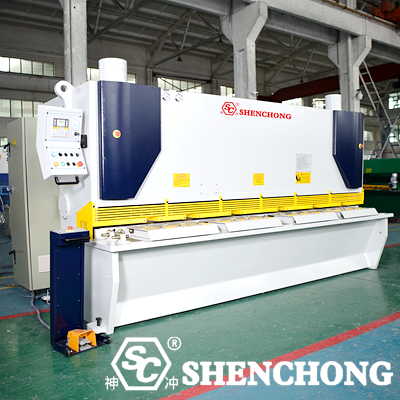
1) Blade Quality and Condition
Key Influences: Shearing Surface Quality, Burr Height, Dimensional Accuracy
- Select high-quality blade materials (e.g., Cr12MoV, SKD11)
- Hardness Control: HRC 58–62 (too low leads to wear, too high leads to chipping)
- Edge Straightness ≤ 0.01 mm/m
- Regular Sharpening (Recommended shearing volume 100,000 cycles or adjusted according to material)
Metal Shearing Accuracy Optimization Focus:
- Upper and Lower Blade Parallelism
- Edge Sharpness (Dull blades are precision killers)
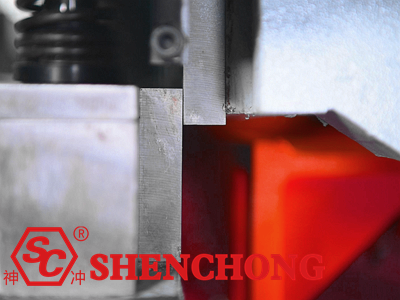
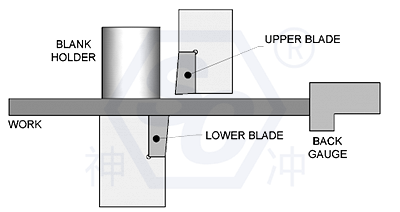
2) Blade Clearance (One of the Most Critical Parameters)
Clearance directly determines: Surface Quality + Dimensional Accuracy + Burr
Recommended Empirical Values (based on plate thickness ratio):
- Low Carbon Steel: 5%–8% t
- Stainless Steel: 6%–10% t
- Aluminum Plate: 3%–6% t
Example:
- 2mm Carbon Steel → Clearance approximately 0.1–0.16 mm
- Consequences of Inappropriate Clearance:
- Too large → Large burrs, dimensional deviations
- Insufficient size → Rapid blade wear, corner collapse, deformation
Recommendations:
- Use adjustable clearance structure (electric or CNC)
- Establish database parameters for different materials
3) Frame rigidity and guide rail precision
Impact: Whether “deformation shearing” occurs during the shearing process
- Frame welding requires overall annealing
- Properly adjust guide rail clearance (avoid swaying)
- Slider running straightness ≤ 0.02 mm
High-end solutions:
- Closed frame structure (stronger resistance to deformation)
- Rolling guide rails or high-precision slider guide rails
4) Pressure system stability
Function: Prevents sheet metal from moving during shearing
- Pressure force should be evenly distributed
- Proper spacing between pressure feet (avoid local warping)
- Equipped with anti-indentation pads (aluminum/stainless steel)
Upgrade suggestions:
- Air-hydraulic synchronous pressure system
- Adjustable pressure force
5) Back gauge system precision
The core system determining shearing dimensional accuracy
Positioning accuracy: ±0.05 mm (high-end can reach ±0.02 mm) (mm) Repeatability is more critical
Key points:
- Lead screw (ball screw preferred)
- Linear guide accuracy
- Servo system response
Recommendations:
- Use servo drive (instead of stepper)
- Add grating ruler feedback (closed-loop control)
2. Process Parameter Optimization (Determines Final Result)
1) Shear Angle
Impact: Shearing Force & Sheet Deformation
- Small Angle → High Precision, but High Load
- Large Angle → Low Load, but Prone to Deformation
Recommendation:
- Precision Shearing → Small Angle (0.5°–1°)
- Thick Plates → Slightly Larger Angle (1°–3°)
2) Shearing Speed
- Too Fast Speed→ Increased Vibration → Decreased Precision
- Too Slow Speed→ Low Efficiency
Optimization:
- High Speed for Thin Plates
- Low Speed for Stable Shearing of Thick Plates
3) Cutting Position Control
- Stable Blade Initial Contact Point
- Avoid Impact Shearing
High-End Models:
Use a proportional valve to control the cutting speed
3. Material Factor Control (Often Overlooked)
1) Material Internal Stress
Problems:
Deformation after shearing, dimensional instability
Solutions:
Select stress-relieving sheet material
Or perform pretreatment (leveling)
2) Sheet Flatness
Unevenness → Positioning error
Wavy edges → Inaccurate dimensions
Support:
Precision leveling machine (Strongly recommended)
3) Material Hardness Differences
Different materials with the same parameters produce significantly different results
Recommendation:
Establish a material database (material-thickness-gap-angle)
4. Operation and Process Management
1) Positioning Method Optimization
Front Gauge vs. Back Gauge
Large sheet materials require auxiliary support
Recommendation:
Use a front feed support system
Prevent sheet material sagging
2) Operational Consistency
Human error is the main source of accuracy fluctuations
Solution:
Standard Operating Procedures (SOPs)
Automated positioning system
3) Multi-blade Shearing Strategy
For high-precision requirements:
Rough shearing + fine shearing
5. Automation and Intelligent Upgrades (High-End Solutions)
- CNC System Optimization: Automatic Parameter Database Recall; Material Recognition System (High-End)
- Automatic Gap Adjustment System: Automatic Adjustment Based on Plate Thickness
- Vision/Sensor Inspection: Real-time Monitoring of Shearing Dimensions
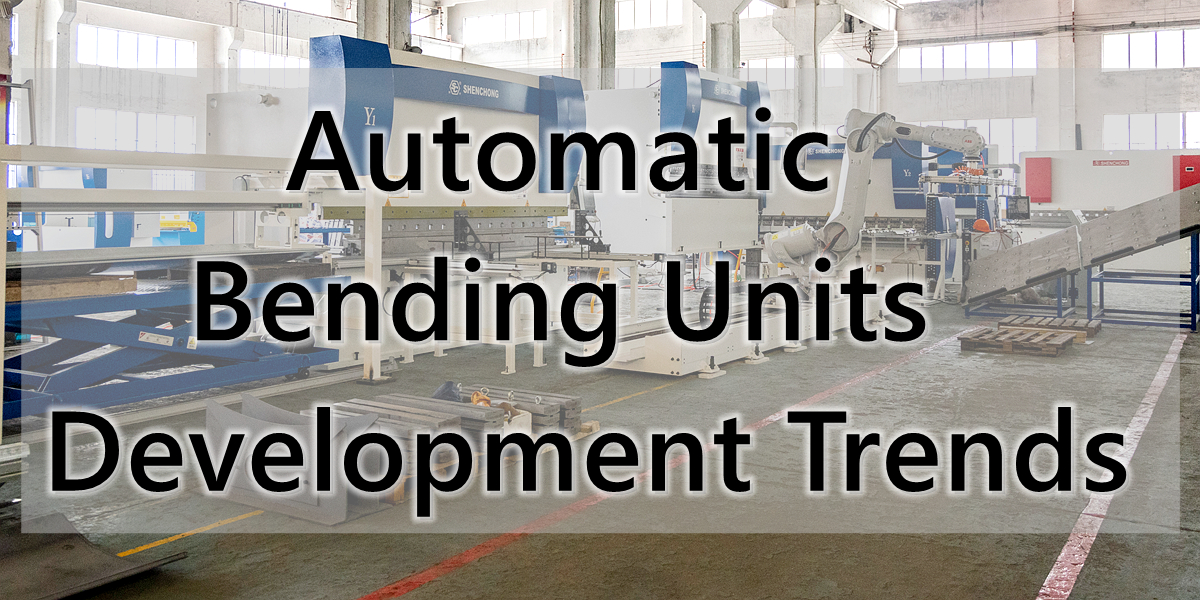
- Inline Production (Recommended): Laser Cutting → Leveling → Shearing → Bending
6. Environmental and External Factors
– Temperature Influence: Thermal expansion and contraction affect metal shearing accuracy (especially for long plates)
Recommendation:
Constant Temperature Workshop (High-Precision Scenarios)
– Vibration: Unstable Foundation → Decreased Accuracy
Recommendation: Independent Foundation; Vibration Damping Pads
7. Priority For Improve Metal Shearing Accuracy (Practical Recommendations)
If you want to quickly improve precision (minimum investment → maximum effect):
First Priority (Immediate Results):
- Adjust blade gap
- Replace/re-sharpen blades
- Calibrate backgauge
Second Priority (Stable Improvement):
- Optimize clamping system
- Adjust shearing angle
- Material leveling
Third Priority (High-End Upgrade):
- Servo backgauge system
- Automatic gap control
- Intelligent database
In high-end manufacturing, shearing is no longer just a basic process of “cutting materials,” but the first critical hurdle determining subsequent bending accuracy, welding quality, and assembly consistency.
8. Summary
To improve metal shearing accuracy, focus on these 5 key points:
- Blade clearance (most critical)
- Back gauge accuracy (dimensional assurance)
- Equipment rigidity (stable foundation)
- Pressing and shearing parameters (process control)
- Sheet material condition (source control)
Traditional shearing faces the following problems:
- Inconsistent dimensional errors
- Large burrs and poor cross-sectional quality
- Sheet deformation, affecting subsequent processes
- High reliance on manual labor, resulting in poor batch consistency.
SHENCHONG redefines shearing standards: Not just “cutting,” but cutting accurately, steadily, and controllably.
From “qualified” to “high-end,” the difference lies in a high-precision shearing machine.
✔ Stable and controllable dimensional accuracy
✔ Smooth sheared cross-section with lower burrs
✔ Significantly improved subsequent bending accuracy
✔ Significantly improved batch production consistency
✔ Reduced reliance on manual labor, increased efficiency
SC High-precision CNC Plate Shearing Machines widely used in:
- Precision sheet metal processing
- Electrical cabinet manufacturing
- Stainless steel products
- Automotive parts
- High-end equipment manufacturing
 English
  Spanish
  Portuguese
  German
  Arabic
  Italian
  Russian
  French
  Chinese
  Vietnamese
  Thai
Thai  Polish
  Japanese
  Czech
Czech