
Table of Contents
1. Overview of Metal Sheet Laser Cutting
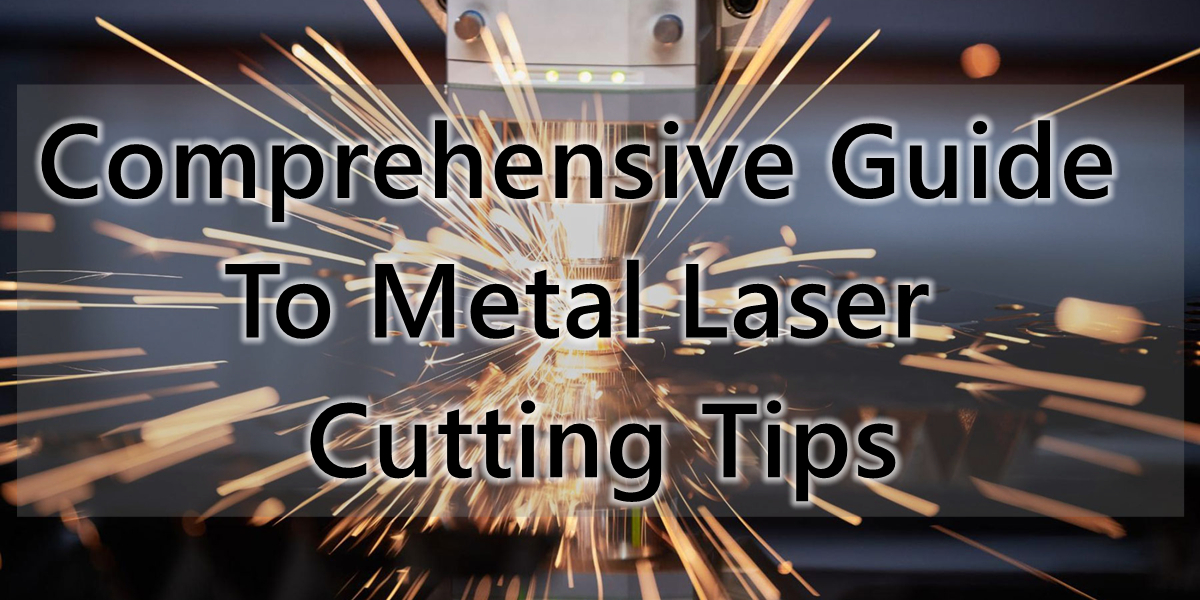
Laser cutting of metal sheets is one of the most core, advanced, and widely used processing technologies in the modern sheet metal processing industry. It utilizes a high-energy-density laser beam to irradiate the surface of metal materials, causing the material to melt, vaporize, or burn in a very short time. The molten material is then blown away from the cut by an auxiliary gas, achieving high-precision, high-speed, and high-quality sheet metal cutting.
With the development of industrial automation, intelligent manufacturing, and flexible production, laser cutting has gradually replaced traditional flame cutting, plasma cutting, and punching processes, becoming a crucial pillar technology in the metal processing industry.
Currently, laser cutting is widely used in:
- Sheet metal processing industry
- Elevator manufacturing industry
- Kitchenware industry
- Electrical cabinet industry
- Construction machinery industry
- Agricultural machinery industry
- Automobile manufacturing industry
- Fitness equipment industry
- Advertising lettering industry
- Rail transportation industry
- Aerospace industry
- Precision parts manufacturing industry
- Steel structure industry
- Home appliance manufacturing industry
- New energy industry
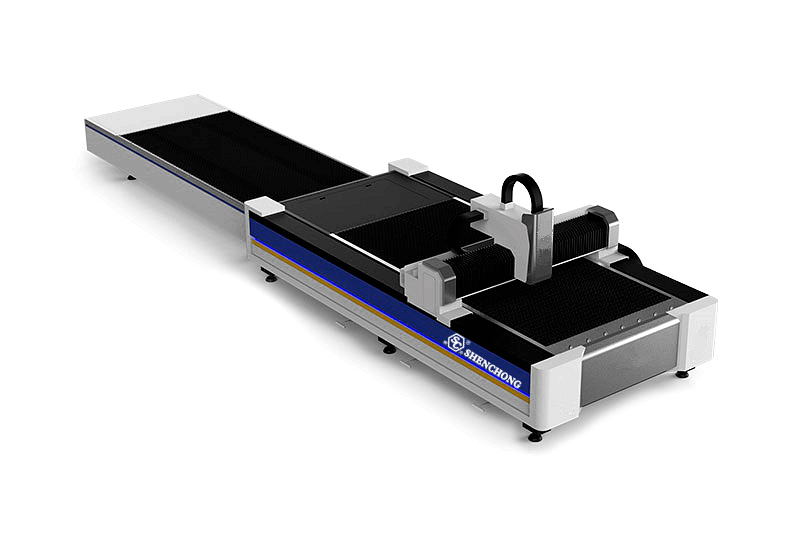
Especially in the era of intelligent manufacturing, metal sheet laser cutting is no longer just a “cutting device,” but a crucial core node in the entire automated factory.
2. The Development History of Laser Cutting
1) Traditional Cutting Process Stage
Before the widespread adoption of laser cutting, metal sheet processing mainly relied on:
- Flame cutting
- Plasma cutting
- Shearing machine blanking
- Punching
- Sawing machine cutting
- Wire cutting
While these traditional processes could meet basic processing needs, they had many drawbacks:
- Lower precision
- Large heat-affected zone
- Severe burrs
- Large amount of subsequent grinding
- Slow processing speed
- High mold cost
- Poor flexibility
- Low degree of automation
As modern manufacturing demands increased efficiency and precision, traditional processes gradually became unable to meet market demands.
2) The CO₂ Laser Cutting Era
After the 1980s, CO₂ laser cutting began to enter the industrial processing field.
Its characteristics include:
- High cutting quality
- Ability to cut both metals and non-metals
- Mature and stable technology However, it also has significant drawbacks:
- Low electro-optical conversion efficiency
- High energy consumption
- Complex optical path maintenance
- Large equipment size
- High maintenance costs
3) The Era of Fiber Laser Cutting
With the maturity of fiber laser technology, fiber metal sheet laser cutting machines have gradually become the mainstream in the market.
Compared to CO₂ lasers, fiber lasers have:
- High electro-optical conversion efficiency
- Better beam quality
- Faster cutting speed
- Lower energy consumption
- Lower maintenance costs
- Higher stability
- More suitable for metal cutting
Today, fiber laser cutting has become a core piece of equipment in the global metal processing industry.
3. Working Principle of Metal Laser Cutting
The essence of laser cutting is to use a high-energy laser beam to rapidly heat the material locally.
When the laser is focused, its energy density is extremely high, reaching millions of watts per square centimeter instantaneously.
Under laser irradiation, metal undergoes:
- Melting
- Vaporization
- Combustion
- Peeling
Then, an auxiliary gas blows the molten metal away from the kerf, achieving continuous cutting.
Main Processes of Metal Sheet Laser Cutting
– Laser Generation
The laser generates a high-energy laser beam.
– Beam Transmission
The beam is transmitted to the cutting head via optical fiber.
– Focusing
A focusing lens focuses the laser beam into an extremely small spot.
– Material Melting
The material melts instantly at high temperatures.
– Auxiliary Gas Blowing Away Molten Slag
Oxygen, nitrogen, or air blows away the molten material.
– Kerf Formation
The laser head moves according to a programmed sequence to complete the cutting.
4. Main Components of a Laser Cutting Machine For Sheet Metal
1) Laser Unit
The laser unit is the core of the entire machine.
Currently, mainstream lasers include:
- IPG fiber lasers
- Raycus lasers
- MAX lasers
- JPT lasers
- nLIGHT lasers
Laser power range:
- 1000W
- 1500W
- 3000W
- 6000W
- 12000W
- 20000W
- 30000W
60000W and above Higher power:
- Faster cutting speed
- Thicker cutting plate
- Stronger perforation capability
However, at the same time:
- Higher cost
- Higher energy consumption
- More demanding equipment structure requirements
2) Cutting Head
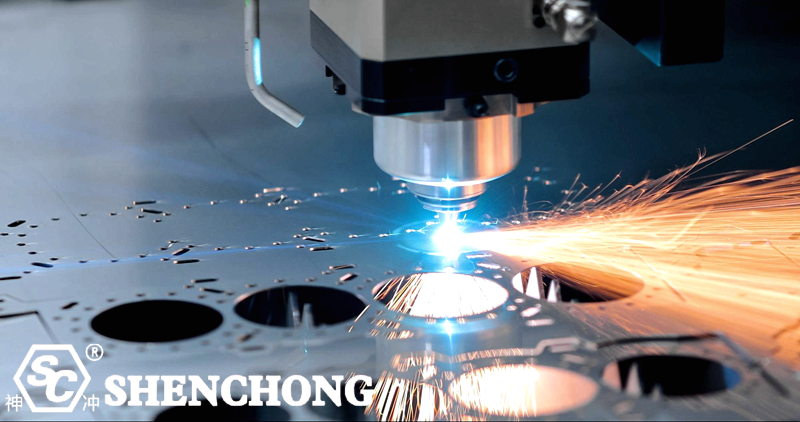
The cutting head is responsible for:
- Focusing the laser
- Controlling the focus
- Jeting auxiliary gas
Anti-collision protection mainstream brands:
- Precitec
- Raytools
- WSX
- Au3tech
Auto-focusing function:
Modern cutting heads generally have an auto-focusing function, which can automatically adjust the focus position according to the plate thickness.
Advantages:
- Improved cutting quality
- Increased piercing speed
- Reduced edge burning
- Improved stability
3) Machine Frame
The machine frame is the basic structure of the equipment.
Requirements:
- High rigidity
- High stability
- Good seismic performance
- Long-term non-deformation
High-quality beds typically use:
- Thick plate welding
- Stress-relief annealing
- Gantry milling
4) Crossbeam
The crossbeam affects:
- Acceleration
- Motion stability
Cutting accuracy Currently mainstream:
- Aluminum alloy crossbeam
- Aerospace cast aluminum crossbeam
5) Servo System
Servo system is responsible for controlling motion.
Mainstream brands:
- Yaskawa
- Fuji
- Panasonic
- Inovance
6) Guide rails and racks
These determine the operating accuracy of the metal sheet laser cutting equipment.
High-end equipment typically uses:
- Taiwan HIWIN guide rails
- Japan THK guide rails
- Germany Atlanta racks
7) CNC System
The CNC system is the “brain” of the equipment.
Main Functions:
- Graphic Import
- Path Planning
- Automatic Layout
- Parameter Call
- Automatic Edge Finding
- Automatic Obstacle Avoidance
Main Systems:
- FSCUT
- PA8000
- CypCut
- Beckhoff
5. Main Advantages of Laser Cutting
1) High Cutting Precision
Metal sheet laser cutting precision can typically reach:
- ±0.03mm
- High-end equipment can reach ±0.01mm
Suitable for precision parts processing.
2) Good Cut Quality
Features:
- Fewer burrs
- High perpendicularity
- Small heat-affected zone
- Smooth surface
Many workpieces can be directly welded or assembled after cutting.
3) High Cutting Speed
Compared to traditional cutting:
- Significantly improved efficiency
- Shorter delivery cycle
- Increased production capacity
4) High Flexibility
Graphics can be changed without molds.
Especially suitable for:
- Small batch production
- Multi-variety orders
- Customized processing
5) High Degree of Automation
Enables:
- Automatic loading and unloading
- Automatic table changing
- Automatic warehousing
- Automatic sorting
- Automatic networked production
6. Types of Laser Cutting
1) Fusion Cutting
Uses a laser to melt the material, then removes it with an inert gas.
Features:
- Bright cut
- Low oxidation
- High precision
Suitable for:
- Stainless steel
- Aluminum plates
- Copper plates
2) Oxidation Cutting
Oxidation cutting uses oxygen for combustion.
Features:
- Strong ability to cut thick plates
- High speed
Suitable for:
- Carbon steel
3) Vaporization Cutting
Vaporization cutting uses ultra-high energy to directly vaporize the material.
Mostly used for:
- Ultra-thin materials
- Special materials
4) Scribing and Fracture Cutting
Scribing and fracture cutting causes material to fracture through thermal stress. Mostly used for brittle materials.
7. Common Materials for Sheet Laser Cutting
1) Carbon Steel
Features:
- Good cutting performance
- Low cost
- Wide application
Common gas:
- Oxygen
2) Stainless Steel
Features:
- High cutting quality requirements
- Prone to slag buildup
- Sensitive to parameters
Usually uses nitrogen for cutting.
3) Aluminum Plate
Features:
- High reflectivity
- Fast heat conduction
- High cutting difficulty
Requires a high-power laser.
4) Copper Plate
Copper has extremely high reflectivity.
Requirements:
- Highly stable laser
- Anti-reflection protection
5) Galvanized Steel Plate
Easily generates zinc vapor during cutting.
Precautions:
- Fume extraction
- Explosion-proof
- Cutting parameters
8. Detailed Explanation of Laser Cutting Process Parameters
1) Laser Power
Higher power:
- Faster cutting
- Stronger piercing
- Thicker cuts
However, excessively high power may cause:
- Burning edges
- Increased slag
- Increased thermal deformation
2) Cutting Speed
Too slow:
- Burning edges
- Increased burrs
Too fast:
- Incomplete cut
- Slag buildup
- Rough cut surface
3) Focal Point Position
The focal point has a significant impact.
Different materials require different focal points:
- Positive focal point
- Negative focal point
- Zero focal point
4) Gas Pressure
Insufficient pressure:
- Poor slag removal
Excessive pressure:
- Rough cut
5) Nozzle Type
Nozzle influence:
- Stable airflow
- Cutting quality
- Piercing effect
9. Detailed Explanation of Auxiliary Gases
1) Oxygen
Characteristics:
- Aids combustion
- Improves thick plate cutting ability
Disadvantages:
- Blackens the cut
- Forms an oxide layer
2) Nitrogen
Characteristics:
- No oxidation
- Smooth cut
Disadvantages:
- High cost
- High gas consumption
3) Air
Advantages:
- Low cost
- High economic efficiency
Disadvantages:
- Generally lower cut quality
10. Laser Cutting Quality Judgment Standards
- Cut Surface Smoothness: The smoother the cut surface, the better.
- Perpendicularity: The higher the perpendicularity of the cut, the better the precision.
- Burrs: High-quality cuts should be as burr-free as possible.
- Heat-Affected Zone: The smaller the heat-affected zone, the better.
- Kerf Width: The finer the kerf, the higher the precision.
11. Common Laser Cutting Problems and Solutions
1) Slag Retention
Causes:
- Insufficient power
- Inappropriate speed
- Insufficient air pressure
Solutions:
- Adjust parameters
- Replace nozzle
- Increase air pressure
2) Edge Burning
Causes:
- Too slow speed
- Too high power
3) Incomplete Cut
Causes:
- Insufficient power
- Incorrect focus
- Lens contamination
4) Severe Burrs
Causes:
- Abnormal airflow
- Parameter mismatch
5) Wider Cut
Causes:
- Focus shift
- Lens damage
12. Comparison of Laser Cutting with Other Cutting Methods
1) Comparison with Flame Cutting
Laser Cutting Advantages:
- High precision
- Minimal thermal deformation
- High degree of automation
- No secondary processing required
2) Comparison with Plasma Cutting
Laser Cutting:
- More precise
- More aesthetically pleasing cut
- Faster speed for thinner plates
Plasma Cutting:
- Lower cost for thicker plates
3) Comparison with Punch Pressing
Laser Cutting:
- No molds required
- High flexibility
- Suitable for small batches and multiple varieties
Punch Pressing:
- High efficiency for large batches
13. Classification of Laser Cutting Machines
1) Flatbed Laser Cutting Machine
The most common type.
Used for processing two-dimensional sheet metal.
2) Exchange Table Laser Cutting Machine
Features dual worktables.
Advantages:
- Non-stop loading and unloading
- Higher efficiency
3) Enclosed Laser Cutting Machine
Features:
- Fully enclosed
- Safer
- Environmentally friendly
4) Ultra-large Format Laser Cutting Machine
Suitable for:
- Steel structures
- Engineering machinery
5) Coil Laser Cutting Production Line
Suitable for continuous production.
14. Applications of Automation in Laser Cutting
Modern metal sheet laser cutting has entered the era of automation.
Automatic Loading and Unloading System:
Achieves:
- Automatic material handling
- Automatic material feeding
- Automatic material unloading
Automatic Sorting System:
Sorting of parts using robotic arms.
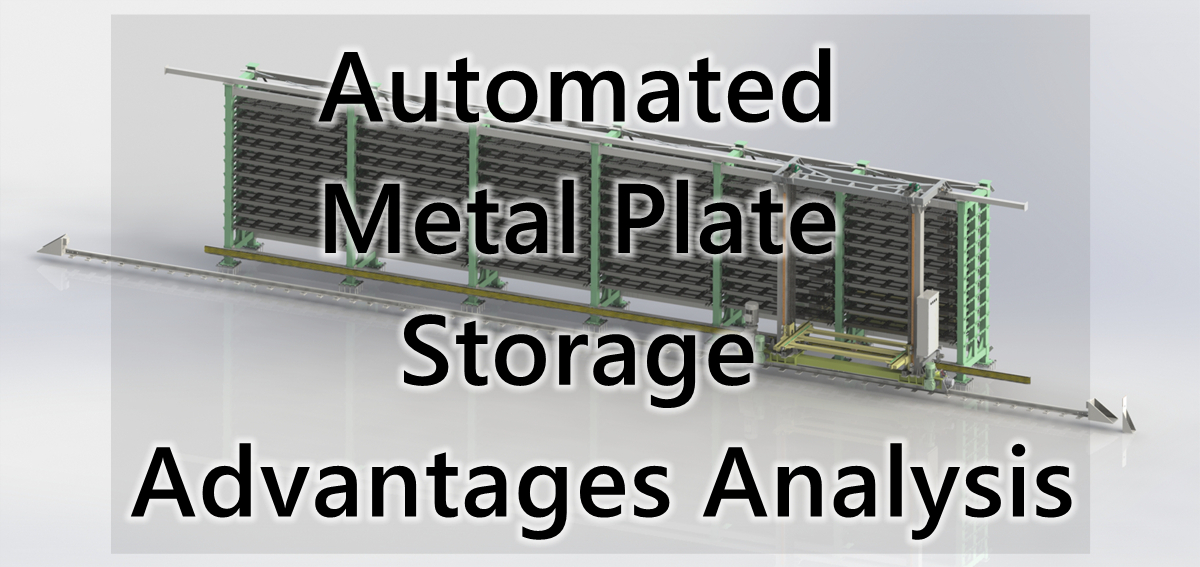
Automatic Warehousing System:
Achieves:
- Intelligent storage
- Automatic scheduling
- Unmanned production
MES System Integration:
Achieving digital management of the factory.
15. Laser Cutting Operation Procedure
1) Start-up Inspection
Check:
- Air Pressure
- Water Temperature
- Power Supply
- Lubrication
2) Equipment Zeroing
Ensure coordinates are normal.
3) Import Drawings
Formats:
- DXF
- DWG
- IGS
4) Automatic Layout
Improve material utilization.
5) Parameter Call
Select the process library according to the plate thickness.
6) Trial Cut
Check quality.
7) Formal Cutting
Observe the equipment’s operating status.
8) Shutdown Maintenance
Clean the equipment.
16. Laser Cutting Safety Precautions
1) Laser Radiation Safety
Must wear: Laser safety glasses
Never look directly at the laser.
2) High Voltage Safety
High voltage exists inside the equipment.
Disassembly is prohibited for non-professionals.
3) Gas Safety
High-pressure gases must be:
- Properly secured
- Prevent leaks
- Keep away from ignition sources
4) Fire Safety
Sparks will be generated during cutting.
Must be equipped with:
- Fire extinguisher
- Smoke extraction system
5) Operational Safety
Prohibited:
- Processing beyond the permitted scope
- Unauthorized modification of parameters
- Operation with malfunctions
17. Laser Cutting Machine Maintenance
1) Lens Maintenance
Daily Inspection:
- Protect the lens
- Focusing lens
Keep clean.
2) Guide Rail Lubrication
Regular Lubrication:
- Prevent wear
- Extend lifespan
3) Water Chiller Maintenance
Regularly:
- Change purified water
- Clean filter
- Check temperature
4) Dust Removal Maintenance
Timely Cleaning:
- Dust
- Metal slag
5) Gas Circuit Inspection
Inspect:
- Leaks
- Pressure stability
17. Laser Cutting Machine Maintenance
1) Sheet Material Quality
Uneven sheet material can cause:
- Abnormal focusing
- Unstable cutting
- Decreased precision
2) Gas Purity
Insufficient nitrogen purity can cause:
- Yellowing of the cut
- Surface oxidation
3) Lens Contamination
Lens contamination can cause:
- Power reduction
- Incomplete cutting
- Lens burning
4) Machine Tool Precision
After long-term use:
- Guide rail wear
- Rack and pinion backlash
- Decreased precision
5) Inappropriate Parameters
Inappropriate parameters can cause:
- Burrs
- Slag buildup
- Edge burning
- Holes
19. Laser Cutting Cost Analysis
1) Electricity Costs
High-power equipment consumes a significant amount of electricity.
2) Auxiliary Gas Costs
Nitrogen gas is the most expensive.
3) Costs of Consumable Parts
Including:
- Lenses
- Nozzles
- Ceramic bodies
4) Labor Costs
Automation can reduce labor costs.
5) Maintenance Costs
Regular equipment maintenance is essential.
20. Industry Applications of Laser Cutting
- Elevator Industry: Used for processing door panels and elevator car panels.
- Kitchenware Industry: Huge demand for stainless steel processing.
- Steel Structure Industry: Widely used for thick plate processing.
- Automotive Industry: High-precision parts cutting.
- New Energy Industry: Battery tray and cabinet processing.
21. Development Trends of Automated Laser Cutting
Future metal sheet laser cutting will develop in the following directions:
1) Higher Power
From:
- 3kW
- 6kW
To:
- 20kW
- 30kW
- 60kW+
2) Higher Speed
High-speed cutting will become mainstream.
3) Automated Unmanned Production
Including:
- Automatic loading and unloading
- Automatic warehousing
- Automatic sorting
- Automatic logistics
4) Intelligentization
System automation:
- Parameter adjustment
- Status monitoring
- Fault prediction
5) Flexible Manufacturing
Adapting to multi-variety, small-batch orders.
22. How to Choose a Laser Cutting Machine?
– Determine the Material to be Processed
Different materials have different equipment requirements.
– Determine the Plate Thickness
This determines the power selection.
– Determine Production Capacity Needs
This determines the equipment specifications.
– Focus on Core Components
Key components to consider include:
- Laser
- Cutting Head
- System
- Servo System
– Focus on After-Sales Service
After-sales service determines the long-term stable operation of the equipment.
23. Application Analysis of Laser Cutting Machines with Different Power Levels
1) 1000W~3000W Level
Suitable for:
- Thin sheet processing
- Advertising industry
- Small sheet metal factories
- Electrical cabinet industry
Advantages:
- Low cost
- Low energy consumption
- Quick return on investment
2) 6000W~12000W Level
Currently, it is the mainstream power range.
Suitable for:
- Medium and heavy plate processing
- Large sheet metal processing
- Construction machinery
- Elevator manufacturing
Features:
- High cutting speed
- High overall efficiency
- Wide market application
3) Ultra-high power (over 20000W)
Suitable for:
- Heavy plate processing
- Steel structure industry
- Heavy industry
- Shipbuilding industry
Features:
- Extremely strong thick plate piercing ability
- Extremely high cutting efficiency
- Very high requirements for equipment structure
24. Thermal Deformation Control in Laser Cutting
Thermal deformation is a critical issue in metal processing.
Main Causes:
- Localized high temperatures
- Uneven thermal stress
- Inappropriate cutting path
Control Methods:
1) Optimize the cutting path
To avoid localized heat concentration.
2) Optimize layout
To avoid overcrowding of parts.
3) Use micro-connections
To reduce part warping.
4) Optimize power matching
To avoid overheating.
5) Segmented cutting
To reduce overall heat accumulation.
25. Layout Technology in Laser Cutting
Layout directly affects material utilization.
Common Layout Methods:
- Regular layout
Suitable for standard parts.
- Mixed layout
For different parts combined in a layout.
- Shared edge cutting
Multiple parts sharing an edge.
Advantages:
- Saves material
- Increases efficiency
- Bridging cutting
To reduce idle time.
26. Intelligent Process Database in Laser Cutting
Modern laser cutting equipment typically possesses a process database.
Functions include:
- Automatic parameter recall
- Automatic air pressure adjustment
- Automatic focus control
- Automatic power matching
Advantages:
- Reduced operational difficulty
- Improved stability
- Reduced human error
27. Environmental Protection System for Laser Cutting
Laser cutting generates:
- Fumes
- Metal particles
- Harmful gases
Therefore, an environmental protection system is essential.
1) Dust Collector
Responsible for fume filtration.
2) Duct System
Responsible for fume transport.
3) Air Purification System
Improves the workshop environment.
28. Digital Management in Laser Cutting
Modern factories increasingly emphasize digitalization.
Digital functions include:
- Remote monitoring
- Equipment networking
- Data statistics
- Production traceability
- Process management
- Fault early warning
29. Laser cutting machine purchasing guide to avoid pitfalls
1) Don't just look at the price
Low-priced equipment often:
- Reduced configuration
- Poor stability
- Insufficient after-sales service
2) Focus on core components
Pay attention to:
- Laser brand
- Cutting head brand
- System brand
- Servo brand
3) Check the machine bed manufacturing process
Does it include:
- Annealing
- Aging treatment
- Precision machining
4) Observe the actual cutting effect
A test cut is necessary.
5) Assess the manufacturer's strength.
This includes:
- R&D capabilities
- After-sales team
- Production scale
- Customer cases
30. The position of laser cutting in intelligent manufacturing
Metal sheet laser cutting has become an important entry point for intelligent manufacturing.
Its core value lies in:
- Flexibility
- Digitalization
- Automation
- Intelligence
The future direction of factories:
“Laser cutting + automated material handling + automated loading and unloading + robotic sorting + MES system + intelligent warehousing”
Forming a complete unmanned production system.
31. Future Competitive Directions in the Laser Cutting Industry
Future competition will no longer be just “equipment competition.”
Instead:
- Competition in complete line automation
- Competition in intelligent factories
- Competition in process databases
- Competition in software systems
- Competition in service capabilities
Whoever can provide complete solutions will be more competitive in the market.
32. Conclusion
Laser cutting of sheet metal is one of the fundamental technologies of modern industrial manufacturing.
It has not only transformed traditional sheet metal processing methods, but also propelled the manufacturing industry towards:
- High efficiency
- High precision
- High flexibility
- Automation
- Intelligentization
From the initial traditional cutting to today’s 10,000-watt intelligent fiber laser cutting systems, laser technology has completely transformed the global metal processing industry landscape.
In the future, with the development of artificial intelligence, industrial internet, and robotic automation, laser cutting will be deeply integrated with automated sheet metal storage system, intelligent bending, robotic loading and unloading, and MES systems to form a truly intelligent factory.
For enterprises, mastering advanced metal sheet laser cutting technology not only means improved efficiency but also enhanced product quality, reduced costs, and strengthened market competitiveness.
It is foreseeable that laser cutting will continue to lead the development direction of the global metal processing industry for a long time to come.
 English
  Spanish
  Portuguese
  Russian
  Arabic
  French
  Italian
  German
  Polish
  Thai
Thai  Vietnamese
  Lithuanian
  Czech
Czech  Japanese
  Chinese